Best Helmet For Kids: Shocking Truth Nobody Told You
Choosing the best helmet for kids is a critical step in safeguarding young riders, skaters, and scootering enthusiasts as they explore their world. This topic sits at the intersection of protection, comfort, and habit formation, informing purchases for activities where head injuries are a real risk.
In this article, we examine key factors—certifications, sizing systems, ventilation, materials, and growth accommodations—that influence protection and daily wear. By clarifying what matters most to families, this guide helps readers evaluate options without bias or hype.
Deeper insights, nuanced trade-offs, and expert findings await as you continue reading.
Tiny Heads, Big Safeguards: A Side-by-Side Look at Youth Helmet Options
| Image | Product | Price |
|---|---|---|
Pick 1  | Kids Bike Helmet, Adjustable and Multi-Sport, from Toddler to Youth, | Check Price On Amazon |
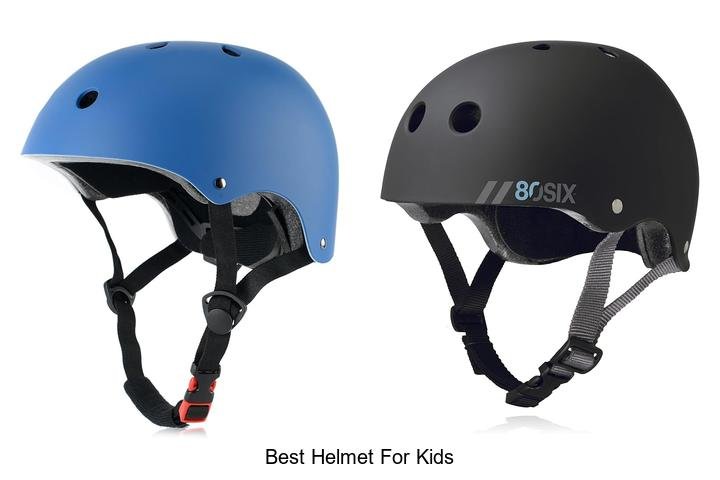
Pick 2  | 80SIX Triple Certified Multisport Helmet – Ideal for Bike, Scooter, | Check Price On Amazon |
Pick 3  | Kids Bike Helmet, Adjustable and Multi-Sport, from Toddler to Youth, | Check Price On Amazon |
1. Kids Bike Helmet, Adjustable and Multi-Sport, from Toddler to Youth,
Designed to be the best helmet for kids who ride, skate, or scooter, this OUWOER helmet blends safety, comfort, and grow-with-you versatility. With three sizes, a lightweight ABS shell, and cooling vents, it protects growing heads while keeping kids cool and confident on every adventure. Its kid-friendly design and adjustable features turn safety into a welcome part of the ride.
Three sizes cover growing heads—Small 9-
3-4 in, Large
4-24 in—suited from toddlers to teens. ABS shell with EPS foam delivers impact protection and meets safety standards, while 11 vents keep heads cool during cycling, skating, and more.
A dial-fit, two pad thickness options, and adjustable chin straps ensure a snug, personalized fit.
Pros
- Growth-friendly sizing across Small, Medium, and Large for years of use.
- Robust protection with ABS shell, EPS foam, and CPSC safety compliance.
- Customizable comfort with dial-fit adjustment, two pad thickness options, and length-adjustable chin straps.
Cons
- Limited color options (currently available in black only).
Overall, this helmet delivers strong value as a versatile, budget-friendly option that grows with your child and supports multiple activities. Priced around $33, it combines protection, comfort, and adjustability in a single, practical helmet—making it a sensible alternative to buying separate gear for different ages or sports.
2. 80SIX Triple Certified Multisport Helmet – Ideal for Bike, Scooter,
Discover confidence on every ride with the 80SIX Triple Certified Multisport Helmet. Built to protect kids, teens, and adults across bikes, skates, scooters, and more, this versatile helmet combines a sturdy ABS shell, a breathable EPS liner, and a comfortable fit for hours of outdoor fun and peace of mind.
Designed in New York and built to grow with riders, it features a classic bike helmet silhouette, a durable ABS shell, and an interior EPS foam liner for a snug, ventilated fit. Triple-certified safety ensures protection for bike riding, skateboarding, roller skating, and hoverboard adventures. Perfect for growing riders everywhere.
Pros
- Triple-certified safety meets U.S. CPSC, ASTM F1447, and ASTM F1492 standards for versatile protection.
- Multisport compatibility covers biking, skating, hoverboards, scooters, and more, suitable for kids, teens, and adults.
- Durable ABS shell with EPS foam, ample ventilation, and adjustable chin strap delivers a secure, comfortable fit for long wear.
Cons
- Only one color option available (Black Matte), which may limit style choice.
Overall, a strong, versatile choice—the best helmet for kids who ride, skate, or scoot. It blends safety, comfort, and durability to support active families year-round.
3. Kids Bike Helmet, Adjustable and Multi-Sport, from Toddler to Youth,
Discover the best helmet for kids that blends safety, comfort, and versatility for little riders and skaters. This OUWOER helmet grows with your child, delivering a secure, lightweight fit, ample ventilation, and protection for bikes, skateboards, and beyond. Its adjustable dial and pads ensure a tailored fit from toddler to youth.
Its adjustable dial and pads ensure a tailored fit from toddler to youth.
Three sizes ensure a precise, growing-fit: Small (9-3), Medium (
3), Medium (3-4), Large (
4-24). An ABS shell with EPS foam delivers solid impact protection, while 11 vents keep heads cool during rides and tricks. It meets the CPSC Safety Standard for Bicycle Helmets for Persons Age 5 and Older, and is fully adjustable via a crank dial, interchangeable pad thickness, and lengthened chin straps to boost comfort and security.
Pros
- Growing-with-kids sizing with three distinct ranges to match a growing child from toddler to youth.
- Excellent ventilation with 11 vents to keep heads cool during cycling, skating, and more.
- Fully adjustable and customizable interior with a crank dial, two pad thickness options, and length-adjustable chin straps for a secure, comfy fit.
Cons
- Only available in black color currently, offering limited style options for some buyers.
Overall, this helmet delivers reliable safety and versatility at a budget-friendly price, and it offers better grow-with-you fit and multi-sport use than many single-sport helmets.
4. OutdoorMaster Skateboard Cycling Helmet – Two Removable Liners Ventilation Multi-Sport

Discover the OutdoorMaster Skateboard Cycling Helmet—the versatile, comfortable choice that grows with your family and targets the best helmet for kids requiring multi-activity protection. Designed for kids, teens, and adults, it combines a reinforced ABS shell, thick EPS core, and two removable liners for a customizable fit and easy cleaning.
Key features include a durable ABS shell and thick EPS foam for impact resistance; two removable liners adapt to head size and simplify washing; a smooth ventilation system keeps heads cool during skating, cycling, BMX, or MTB; plus a long-lasting adjustable dial and skin-friendly chin strap for a secure fit.
Pros
- All-around protection with reinforced ABS shell and thick EPS core for reliable impact resistance across skating, cycling, BMX, and MTB.
- Flexible sizing and easy maintenance with two removable liners that adapt to head sizes and simplify washing.
- Comfortable, secure fit thanks to a skin-friendly chin strap, ergonomic design, and a durable adjustable dial.
Cons
- Limited size range in this listing (XS) may not fit older or larger kids.
Overall, this helmet delivers solid protection, comfort, and versatility at a competitive price. For families selecting multi-activity head protection, OutdoorMaster offers greater value than single-sport helmets, thanks to washable liners, adjustable fit, and effective ventilation across activities.
5. Giro Tremor
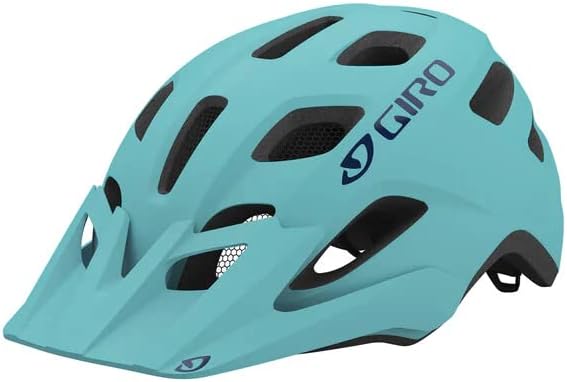
Meet the Giro Tremor, a lightweight, reliable kids’ helmet built for serious riders and everyday adventures. Its standout safety features, snug Roc Loc Sport fit, and reflective accents deliver confidence on every ride.
The Tremor uses in-mold construction for a featherweight shell, plus a full hardbody outer and Roc Loc Sport adjustment for a secure fit 47-54 cm. Reflective accents boost visibility while the removable visor shields eyes.
Lightweight EPS cushions impact, making it slightly stronger than many budget helmets for growing riders.
Pros
- Reflectivity enhances visibility in low-light and dusk rides.
- In-mold construction with a full hardbody shell keeps weight low while boosting durability.
- Roc Loc Sport provides quick, secure fit adjustment and comfortable wear.
Cons
- Limited color options may not match every rider’s preference.
For families prioritizing safety, comfort, and value, the Giro Tremor stands out as a dependable choice in the best helmet for kids category, delivering protection, simple sizing, and practical features at a fair price of $
6. Exclusky Kids Bike Helmet with LED Light – Adjustable Multi-Sport

Discover a confident, safe ride with the Exclusky Kids Bike Helmet. Built with a high-density EPS liner, extended rear coverage, and a removable sun visor, it protects young riders during every adventure.
Its lightweight design, three-mode LED light, and simple one-handed adjustments make cycling safer and more enjoyable for kids.
The helmet features a high-density EPS foam liner to absorb shocks and reduce impacts, plus a thick heat-seal lining and chin pad for comfort. An extended rear shell guards the back of the head.
Pros
- 3-mode LED light provides constant, slow, or fast flashing modes for maximum night visibility.
- Extended rear coverage plus 16 vents deliver safer protection while keeping the head cool.
- One-handed adjustment and removable sun visor ensure a secure, comfortable fit for growing kids.
Cons
- LED functionality depends on battery replacement (CR2032) to maintain visibility.
For parents seeking the best helmet for kids, this model delivers safety, visibility, and comfort with LED lighting, extended rear coverage, and an adjustable fit.
7. Giro Tremor MIPS

Discover the Giro Tremor MIPS, the best helmet for kids who ride with confidence. Lightweight, protective and easy to adjust, it combines in-mold construction with a full hardbody shell, a removable visor, and Roc Loc Sport for fast, secure sizing—so young riders stay safer, longer, on every adventure each day.
Giro Tremor MIPS blends reflectivity, a durable polycarbonate shell, and in-mold construction for a light yet strong shell. Compared with basic helmets, it adds MIPS protection and Roc Loc Sport for quick, precise fit adjustments. A removable visor, universal child size (47-54 cm), and 8-ounce weight complete the package today.
Pros
- MIPS protection adds an extra safety layer for multi-directional impacts.
- In-mold construction with a full hardbody shell delivers durability without excess weight.
- Roc Loc Sport enables quick, precise adjustments for growing heads and a secure, comfortable fit.
Cons
- Limited color options (Matte Black is the listed color).
At $59, Giro Tremor MIPS delivers excellent value with practical features, reliable protection, and kid-friendly comfort for daily rides and weekend adventures.
Protect Their Heads: The Ultimate Buyer’s Guide to the Best Helmet for Kids
Kidsfocused design and features
Adaptive designs that integrate with accessories add real value by keeping a helmet usable across years and activities. A helmet that blends with Colors, graphics, and growthfriendly sizing helps the fit stay comfortable as a child grows and explores different sports. Visors, lights, and reflective accents can boost visibility in varied conditions, and when the design accommodates easy changes it remains compatible with other gear kids may wear on rides or commutes.
Easy adjustments and kidfriendly buckles ensure a secure fit fast, even for curious hands, so the helmet stays correctly positioned during active play. In practice, the ability to adapt to multiple setups means you can refresh the look and function without replacing the whole system, extending the product’s value over time.
Fit and sizing
Adaptive designs that integrate with other gear extend a child’s helmet value across activities and grow with them as needs change, which means it stays useful longer and reduces clutter. Start by measuring head circumference to determine the proper size, then check for adjustable fit systems such as a dial, slider, or harness that can fine tune the snugness as your child grows or moves. Proper helmet placement and strap routing matter just as much as the shell itself, so ensure the helmet sits level, the front edge sits about above the eyebrows, and the chin strap forms a snug V under the ears with the buckle centered under the chin.
Proper helmet placement and strap routing matter just as much as the shell itself, so ensure the helmet sits level, the front edge sits about above the eyebrows, and the chin strap forms a snug V under the ears with the buckle centered under the chin. When you assess compatibility with other equipment like lights, goggles, or a headlamp, you can confirm that there is room for these items and that cords or straps won’t interfere with the fit. A thoughtful evaluation of integration helps you choose a model that remains secure and comfortable across activities and seasons.
Comfort, fit features, and everyday use
Adaptive designs that accommodate goggles and other gear can extend a child’s helmet life and simplify daily routines. Beyond fit, evaluating how well it integrates with bikes, pads, visors, and the rest of a kid’s gear helps you forecast compatibility across activities and seasons. Padding that is soft yet supportive, with removable and washable liners and moisture-wicking interior fabric, keeps the interior comfortable and makes maintenance easier for busy families.
Padding that is soft yet supportive, with removable and washable liners and moisture-wicking interior fabric, keeps the interior comfortable and makes maintenance easier for busy families. A comfortable chin strap and a reliable quick-release buckle matter because they encourage secure, frustration-free adjustments during school commutes or after school activities. Ventilation performance reduces heat buildup and, along with thoughtful design to minimize wind noise, makes rides and sessions more pleasant for kids and caregivers alike.
Construction, materials, and protection
Adaptive designs that mesh with goggles, padding, and seasonal gear increase overall usability and value. The way a helmet integrates with other products affects fit, comfort, and how reliably it protects across activities.
EPS foam density shapes impact protection, with higher density providing firmer energy absorption and lower density offering a lighter feel, a trade off that matters as kids wear the helmet through tumbles and practice. Ventilation and weight are also key, since good airflow helps comfort on hot days and a lighter profile reduces fatigue, making it easier for a child to keep it on during long sessions.
Finally, compatibility with other gear such as neck protectors or storage solutions can make setup simpler and reduce the chance of gaps in protection, so a product that plays well with the rest of a kid’s equipment tends to offer greater long term value.
Safety standards and certifications
A helmet that adapts to different gear and accessories can extend its lifespan and keep it useful across riding activities. When a model integrates easily with items like goggles or visors, reflective lights, and adjustable straps, it reduces the friction of pairing products and helps kids stay safe without fuss. This kind of compatibility also supports growth in head size and seasonal use, as modular pads and fit systems let parents adjust the helmet as a child grows or shifts from biking to skating to scooter sessions.
In addition to practical ease, prioritize certified standards to ensure the gear meets tested benchmarks for impact protection and construction quality. Check for certified standards such as CPSC, EN 1078, and ASTM F1447, and note activity-specific certifications for bike, skate, and scooter use to confirm the helmet is suited to the intended ride.
Labeling and quality marks verify compliance and give clear signs of reliable materials and durable assembly. Factoring compatibility with other gear into the decision helps avoid gaps between equipment and protection and supports a safer, smoother ride for kids.
Maintenance, care, and longevity
Integrated compatibility with accessories such as goggles, protective padding, or bike lights can shorten setup time and keep safety routines consistent. The best helmet for kids benefits from evaluating how it adapts with other gear to avoid clumsy adjustments during ride time.
A helmet that integrates smoothly with eyewear, padding, or protective gear keeps the fit stable and encourages consistent protection across activities. Regular care and maintenance practices extend its life and keep materials from degrading with repeated use. Cleaning and drying guidelines help prevent odor buildup and material wear, while replacement after impact and shelf life awareness remind families to swap a helmet that no longer offers reliable protection.
Storage, travel, and protective carrying arrangements protect the shell from cracks and deformation when kids move from home to school or activities.
FAQ’s
Are There Different Helmet Types For Bikes, Skateboards, Scooters, And Inline Skates, And Which Is Best For Kids?
Yes—there are bike helmets, skate-style helmets for skateboarding/inline skating, and multi-sport helmets that cover several activities. For kids, the best choice is a properly fitting helmet certified for the activity they’re doing (or a well-fit multi-sport helmet if they’ll switch between activities).
What Features Should The Best Helmet For Kids Have (Fit, Safety Standards, Adjustability, Weight, Ventilation)?
Look for a helmet that fits snugly with an adjustable dial/strap system and comfortable padding, plus a secure chin strap. It should be certified to recognized safety standards (eg CPSC/EN 1078), be lightweight, have good ventilation, and stay easily adjustable as your child grows.
How Can You Determine The Correct Size And Ensure A Snug, Comfortable Fit For A Child?
Take accurate measurements (height and key dimensions like chest/bust, waist, inseam, or foot length) and compare them to the brand’s size chart, choosing a size with a bit of growth room. Then have the child try it on and check for easy movement and a comfortable fit—enough room to bend and breathe, with about a thumb’s width of toe room in shoes.
How Often Should Kids’ Helmets Be Replaced, And What Are The Signs That Indicate It’S Time For A New One?
Kids’ helmets should be replaced after any crash that causes an impact, or when they outgrow the helmet or reach the manufacturer’s expiration (usually about 3–5 years). Signs to replace include cracks or dents in the shell, torn straps or padding, worn padding, or a helmet that no longer fits snugly.
What Safety Certifications And Standards Should You Look For In Kids’ Helmets, And Is Mips Worth It For Children?
Choose a kids’ helmet that meets recognized safety standards (US CPSC, European EN 1078, or Australia/New Zealand AS/NZS 2063) and carries a clear compliance label. MIPS can offer extra protection against rotational impacts, but it isn’t essential for children—prioritize a proper fit and a certified helmet.
Conclusion
Choosing the best helmet for kids means prioritizing safety, fit, and comfort. Look for a certified helmet (CPSC in the U.S.
S., EN 1078 elsewhere) with an adjustable strap and a snug fit. Favor lightweight shells, good ventilation, and soft interior padding.
Measure the head, test the strap, and replace after any impact or growth spurts so kids stay protected.