Discover the Best Band Saw Blade for Metal Now!
In the realm of metalworking, the precision of cuts is paramount to achieving seamless finishes and durable structures. The optimal performance of a band saw hinges significantly on the choice of band saw blade, which serves as the critical interface between the machine and the metal.
These variables determine the blade’s ability to efficiently cut through metals ranging from soft aluminum to hard steel alloys. Understanding the intricate balance of speed, durability, and material compatibility is essential.
What factors define the ultimate choice for the best band saw blade for metal, and how can one navigate the complexities in selecting the perfect fit? Continue reading to uncover the insights.
Choosing the Right Tool: Top Picks for Cutting Through Metal with Ease
| Image | Product | Price |
|---|---|---|
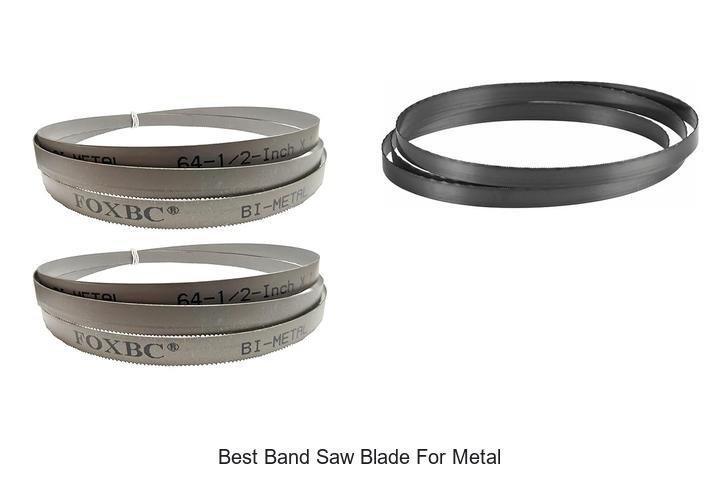
Pick 1  | FOXBC 64-1/2″ x 1/2″ x 0.02″ x 24 TPI Metal | Check Price |
Pick 2  | Bosch BS6412-24M 64-1/2 in. 24 TPI Metal Cutting Stationary Band | Check Price |
Pick 3 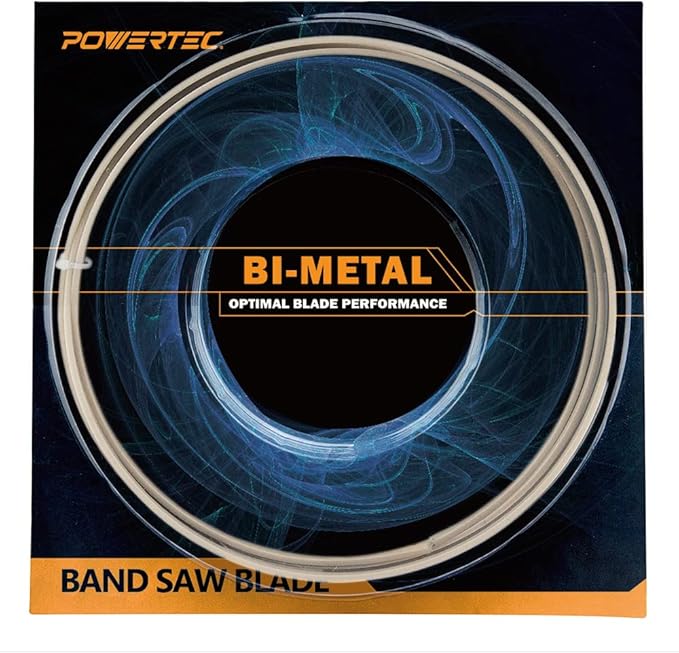 | POWERTEC 93-1/2 Inch Bi-Metal Bandsaw Blades, 1/2″ x 14 TPI | Check Price |
1. FOXBC 64-1/2″ x 1/2″ x 0.02″ x 24 TPI Metal
Introducing the FOXBC 64-1/2 x 1/2 x 02 x 24 TPI Metal Bandsaw Blade, a powerhouse designed for precision cutting on a wide range of materials. Whether you’re tackling soft metals, stainless steel, or even robust plastics, this blade ensures clean cuts and long-lasting performance.
Crafted from Bi-Metal M42 with an impressive 8% cobalt content, this bandsaw blade promises unmatched durability and superior cutting power. Compatible with a variety of band saw models, its unique welding technique delivers strength and smoothness for optimal performance across various projects.
Pros
- Highly durable Bi-Metal M42 with cobalt for extended longevity.
- Versatile application for metals, woods, and select plastics.
- Compatible with multiple popular band saw models.
Cons
- May require slow speed adjustments for certain tougher materials.
For only $25, the FOXBC metal bandsaw blade presents a valuable investment for anyone seeking precision and reliability in their cutting tools. Its versatility and high-grade build set it apart from the competition, making it a top choice for professionals and DIY enthusiasts alike.
2. Bosch BS6412-24M 64-1/2 in. 24 TPI Metal Cutting Stationary Band
Elevate your metalworking projects with the Bosch BS6412-24M 64-1/2 in. 24 TPI Metal Cutting Stationary Band, designed with precision and durability to meet the rigorous demands of cutting various metal types. With its exceptional heat resistance and superior materials, it stands out as a dependable choice for professionals and hobbyists alike.
Crafted from premium-grade steel, this band saw blade is manufactured for optimal performance and longevity. The optimized tooth geometry ensures smooth cutting, reducing downtime between replacements.
Its 5-inch length fits most band saw models, making it a versatile addition to your toolkit.
Pros
- Resistant to heat buildup for extended life
- Optimized tooth design for efficient cutting
- Compatible with a wide range of band saws
Cons
- Teeth will eventually wear out after prolonged use
In conclusion, the Bosch BS6412-24M offers an ideal balance of endurance and performance for metal cutting tasks, consistently delivering smooth and precise cuts. While its teeth will wear with use, its reputation for longevity makes it a smart investment compared to similar options available.
3. POWERTEC 93-1/2 Inch Bi-Metal Bandsaw Blades, 1/2″ x 14 TPI
Discover the POWERTEC 93-1/2 Inch Bi-Metal Bandsaw Blade, expertly crafted for precision and durability, earning its reputation as the best band saw blade for metal. Whether you’re working with aluminum or soft metals, this blade promises seamless cuts and long-lasting performance for professional or DIY projects alike.
Engineered with a 14 TPI raker set and constructed from high-speed M42 cobalt steel, this 93-1/2 x 1/2 bandsaw blade delivers superior cutting precision for soft metals. Its robust design ensures sharpness and strength, making it compatible with all band saws of the same size.
Pros
- Exceptional durability due to triple-tempered M42 cobalt steel.
- Precision cutting with 14 TPI raker set teeth arrangement.
- Versatile across different soft metals like copper and aluminum.
Cons
- Limited to soft metals; not designed for hardened materials.
For those seeking reliability and efficiency, the POWERTEC Bi-Metal Bandsaw Blade is a commendable choice. While it excels in cutting softer metals, consider alternatives for tougher materials. Competitively priced at $21, it represents great value for quality woodworking and metalworking tools.
4. FOXBC 64-1/2 in. 24 TPI Metal Cutting Band Saw Blade

For those seeking precision and durability in their metal-cutting tasks, the FOXBC 64-1/2 in. 24 TPI Metal Cutting Band Saw Blade stands out as the best band saw blade for metal tasks. Engineered for excellence, this blade tackles an impressive range of materials with ease, promising exceptional results every time.
Crafted with an M42 grade bi-metal composition and enriched with 8% cobalt, this FOXBC blade guarantees unparalleled strength and longevity. It’s designed to fit most 6 x 4 band saws, making it a versatile choice for cutting mild steel, aluminum, stainless steel, and much more.
Pros
- High durability due to M42 bi-metal composition with 8% cobalt.
- Compatible with a wide range of band saw models.
- Effective on multiple metals, hard plastics, and wood-based projects.
Cons
- Optimal performance requires slow cutting speed for tougher materials.
The FOXBC Metal Cutting Band Saw Blade is engineered to deliver precision and durability at an affordable price of $ Its universal compatibility and robust build make it an ideal choice when compared to other blades that might lack either the quality or compatibility it offers.
Discover more about it on Amazon.
5. 64-1/2” Bandsaw Blades 2 Pack, Metal Cutting, 64-1/2 x 1/2

Achieve precision and efficiency in metal cutting with our premium 64-1/2” Bandsaw Blades 2 Pack. Designed for the discerning craftsman, these blades combine durability and performance, ensuring clean, seamless cuts on a variety of metals. Perfect for both professional workshops and home DIY enthusiasts.
Perfect for both professional workshops and home DIY enthusiasts.
Crafted from robust Bi-Metal M42 High Speed Steel, these bandsaw blades offer exceptional toughness and longevity. The 14/18 TPI configuration ensures smoother and faster cuts, making it compatible with most 4X6 horizontal metal cutting band saws, including popular models like Grizzly, WEN, and JET.
Pros
- Exceptional durability and long-lasting performance due to Bi-Metal M42 construction.
- Versatile compatibility with various band saws, enhancing utility across several applications.
- Comes with a teeth plastic guard, ensuring safety and protection when not in use.
Cons
- Limited package size offering only two blades, which might require more frequent replacements for heavy users.
At an affordable price of $25, the 64-1/2” Bandsaw Blades 2 Pack stands out as a top contender for anyone seeking the best band saw blade for metal cutting. Its compatibility and robust build make it a worthwhile investment compared to standard blades, ensuring precise cuts and enhancing productivity.
Top Picks: Best Band Saw Blades for Metal Cutting
Durability and longevity
Choosing the right band saw blade for metal can greatly enhance your cutting experience, and understanding the properties like wear resistance can make all the difference in performance and lifespan. Opt for blades designed with heat resistance in mind since cutting metal generates considerable heat and could potentially deform blades lacking proper construction. Additionally, consider exploring options from reputable manufacturers who offer warranties or guarantees, which provides an added layer of confidence in your purchase, safeguarding you against premature failures.
Additionally, consider exploring options from reputable manufacturers who offer warranties or guarantees, which provides an added layer of confidence in your purchase, safeguarding you against premature failures. Knowing you’ll have support if the product doesn’t meet expectations is a reassuring factor, especially for beginners eager to invest in quality. By evaluating these features, you’re more likely to find a product that perfectly fits your needs, ensuring efficient and reliable cutting for your metalworking projects.
Types of band saw blades
When shopping for the best band saw blade for metal cutting, it’s important to consider the different types of blades available, as each one offers unique advantages based on your specific needs. Carbon steel blades are a popular choice due to their affordability and versatility.
However, if you require a blade that can handle more demanding tasks and has longer durability, bimetal blades might be more suitable. These blades are engineered to last longer and perform better at cutting through tougher materials like alloy steels.
For the ultimate in precision and endurance, carbide-tipped blades are unmatched. They are specifically designed for high-performance cutting and are perfect for those looking to achieve precise, clean cuts on very hard metals.
When choosing a band saw blade, it’s important to not only consider the type of metal you need to cut but also the thickness of the material, as this will guide you toward the right blade width and tooth design. Prioritizing these factors can help ensure you select a blade that will enhance your cutting efficiency and suit your particular project requirements.
Blade size and thickness
When selecting the appropriate tool for cutting metal, it’s essential to consider several crucial elements to make an informed decision. A key factor is the length of the blade, which should match the size of your band saw to ensure optimal performance and safety.
Alongside length, the width of the blade is another significant aspect. A wider blade generally provides better stability, especially for straight cuts, whereas a narrower blade allows for more intricate, curved cuts.
The thickness is equally important since a thicker blade offers durability and resistance to breakage, ideal for rigorous cutting tasks. However, a thinner blade might be suitable for lighter projects but could wear out faster.
Keep these details in mind, and you’ll make a purchase that caters to your needs while maximizing your investment.
Material compatibility
When searching for the perfect saw blade for cutting metal, it is essential to understand the nuances of material compatibility. Firstly, if your project involves working with ferrous metals such as steel or iron, you should look for blades that offer high durability and resistance to heat build-up since these materials can be particularly tough on tools. Conversely, if your tasks involve non-ferrous metals like aluminum or copper, a blade with a sharper tooth profile and a lower tooth count is usually more effective, ensuring clean, precise cuts without excessive wear.
Conversely, if your tasks involve non-ferrous metals like aluminum or copper, a blade with a sharper tooth profile and a lower tooth count is usually more effective, ensuring clean, precise cuts without excessive wear. Projects that require cutting mixed materials, combining various types of metals, call for versatile blades. These blades are designed to handle a range of metal densities without compromising the quality of your work.
In any case, pay attention to blade width and thickness to ensure compatibility with your saw, and prioritize longevity and performance based on your specific application needs. Considering projects involving different metals will help you make an informed decision, thereby optimizing efficiency and outcomes.
Tooth design and configuration
When searching for a tool to efficiently cut through metal, consider several factors to ensure you make an informed purchase. Opt for a blade with a rake tooth form if you need aggressive and fast cuts, while a hook tooth form is suited for cutting thick metal sections.
For smoother cuts on thinner materials, the skip tooth form is ideal. Tooth pitch, measured in TPI (Teeth Per Inch), is another crucial aspect to examine. A higher TPI count results in slower, finer cuts, which are perfect for thin metal sheets, while a lower TPI is beneficial for thicker materials, offering a quicker cut.
Kerf width, or the thickness of the blade, impacts the cut’s precision and material waste. A narrower kerf provides precise cuts with minimal material loss. Considering these features will guide you toward a product that effectively meets your specific metal-cutting needs.
Furthermore, balance these considerations with your budget and the specific requirements of your workspace to make the most suitable choice. Prioritize quality materials for longevity and efficient performance in your projects.
Cost and budget considerations
Finding the right band saw blade for metal cutting involves balancing your price range options with performance needs and considering the long-term investment potential. While the market offers a broad spectrum of prices, identifying blades that align your budget with desired outcomes is crucial. More expensive options often provide superior performance and longevity, making them worthwhile investments for frequent usage.
High-performance blades might carry a higher initial cost, but they typically deliver cleaner cuts and last longer under rigorous conditions, reducing the need for frequent replacements. This makes them not only a performance booster but also a cost-effective choice in the long run.
However, for occasional use or light tasks, more affordable blades can adequately meet your needs while remaining economical. It’s essential to evaluate how often you’ll use the blade and whether the cutting task requires precision and durability, helping you decide whether to opt for premium blades or budget-friendly ones. Considering these factors will ensure you make an informed purchase that balances immediate budget constraints with long-term benefits.
Frequently Asked Questions
Can You Recommend Some Top-Rated Brands Or Models Of Band Saw Blades For Metalwork?
Certainly! For metalwork, some top-rated band saw blade brands include Lenox and Starrett, known for their durability and precision. Additionally, the Bosch Heavy Metal and Milwaukee’s metal-cutting blades are highly regarded for their performance and longevity.
How Do I Determine The Appropriate Blade Width And Thickness For My Metal Cutting Band Saw?
To determine the appropriate blade width and thickness for your metal cutting band saw, consider the material type, thickness, and cutting application; wider blades offer stability for straight cuts, while narrower blades are better for tighter curves. Additionally, consult the saw manufacturer’s recommendations and guidelines for compatible blade specifications.
How Does Blade Speed Impact The Performance Of A Band Saw Blade When Cutting Different Metals?
Blade speed significantly impacts a band saw’s cutting performance; higher speeds typically work better for softer metals, ensuring smoother cuts, while lower speeds are more effective for harder metals to prevent blade wear and overheating. Adjusting the speed appropriately helps optimize cutting efficiency and prolongs the blade’s lifespan.
What Factors Should I Consider When Choosing The Best Band Saw Blade For Cutting Metal?
When choosing a band saw blade for cutting metal, consider the material’s thickness and type, ensuring the blade’s tooth count per inch (TPI) and material composition (like bi-metal or carbide-tipped) are suitable for the task. Additionally, evaluate the blade’s width and length to match your saw’s specifications and ensure optimal performance.
Are There Specific Tooth Patterns Or Materials In Band Saw Blades That Are Better For Cutting Certain Types Of Metal?
Yes, band saw blades with variable tooth patterns and high-speed steel or carbide-tipped materials are generally better for cutting metals, as they provide improved cutting efficiency and durability. Coarser tooth patterns are preferred for softer metals, while finer tooth patterns work better for harder metals.
Conclusion
In summary, the best band saw blade for cutting metal should be durable, versatile, and designed with high-speed steel or bi-metal construction for superior performance. Look for blades with a suitable tooth configuration, such as variable pitch teeth, to optimize cuts and extend longevity. Brands like Lenox, Starrett, and Bosch offer reliable options for attaining precision and efficiency in metalworking tasks.