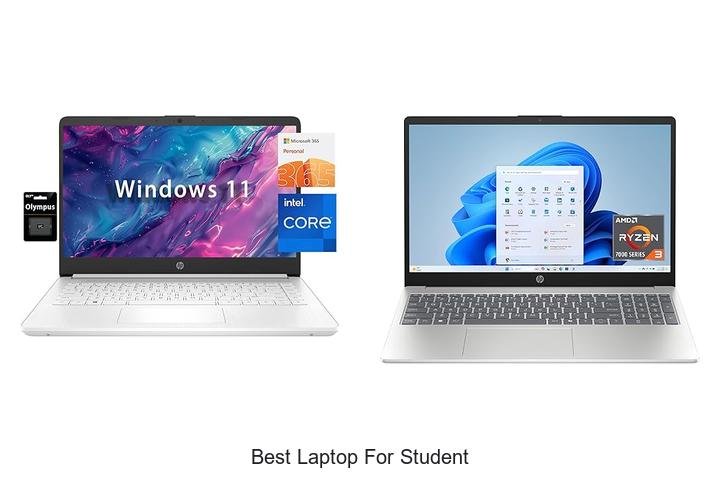
Best Laptop For Student: Shocking Deals You Can’t Miss
Selecting the best laptop for student needs requires weighing performance, portability, and endurance against budget and software requirements. This guide establishes the criteria for the best laptop for student use, explaining how hardware choices, software compatibility, and build quality align with academic workflows. By examining tasks such as note-taking, multimedia coursework, and research, the article frames why the right device matters for productivity, learning continuity, and long-term value.
By examining tasks such as note-taking, multimedia coursework, and research, the article frames why the right device matters for productivity, learning continuity, and long-term value. The topic spans compact ultraportables to capable workstations, considering battery life, display quality, and reliability—attributes central to any student laptop. Grounded in campus life and diverse majors, the analysis targets search intent around the best laptops for students and related terms, while signaling that deeper insights await in expert comparisons and findings.
Campus-Ready Picks: A Clear, Compelling Laptop Comparison for Students
| Image | Product | Price |
|---|---|---|
Pick 1  | HP 14″ HD Student Business Laptop, Intel Quad-Core N4120, 16GB | Check Price On Amazon |
Pick 2  | HP 15.6 inch Laptop, HD Touchscreen Display, AMD Ryzen 3 | Check Price On Amazon |
Pick 3  | Lenovo IdeaPad 1 Student Laptop, 15.6″ FHD Display, Intel Dual | Check Price On Amazon |
1. HP 14″ HD Student Business Laptop, Intel Quad-Core N4120, 16GB
Discover a smart, budget-friendly study companion: the HP 14 HD Student Business Laptop blends portability with essential performance for everyday school tasks. Its compact 14-inch display, quad-core processing, and broad port selection keep notes, research, and collaboration flowing—wherever you study—without breaking the bank. (Best laptop for student focus ensured.
Equipped with the Intel Celeron N4120 quad-core processor up to 60 GHz and Intel UHD Graphics, it handles multitasking, streaming, and browsing. The 14 BrightView display (1366×768) offers wide viewing angles, while 128GB eMMC keeps boots fast.
HP Fast Charge reaches 50% in 45 minutes, plus a 1-year Office 365 and Windows 11 in S Mode (switchable). Ports include USB-C
0, USB-A 0, HDMI
Intelligent noise reduction enhances calls.
Pros
- Lightweight, portable design ideal for students on the go
- Wide port selection (USB-C 3.0, USB-A 3.0, HDMI 1.4, microSD) supports peripherals and external displays
- HP Fast Charge plus 1-year Office 365 adds immediate productivity value; Windows 11 in S Mode is switchable
Cons
- Limited storage and modest CPU may limit heavy multitasking or large apps; 128GB eMMC can fill up quickly
Overall, this budget-friendly option offers portability, essential features, and productive value for students. If you need more storage or higher performance, higher-end laptops may be worth considering, but for everyday coursework and on-the-go study, it remains a solid choice.
2. HP 15.6 inch Laptop, HD Touchscreen Display, AMD Ryzen 3
Meet the HP 6-inch laptop, designed to be the best laptop for student on the go.
Its bright HD touchscreen, responsive AMD Ryzen 3 performance, and long-lasting battery blend productivity with portability. A budget-friendly choice that handles classwork, streaming, and light creative tasks without weighing you down every day consistently.
This HP model showcases a micro-edge HD touchscreen for intuitive control, AMD Ryzen 3 processor with Radeon graphics, 8 GB LPDDR5 RAM, and a fast 128 GB PCIe NVMe SSD. Windows 11 Home in S Mode offers security; compared with ultrabooks, it stays lighter, more affordable, and sufficient for coursework.
Pros
- Lightweight, portable chassis perfect for students on the go
- Responsive touch display paired with Ryzen 3 performance for multitasking
- Fast storage and modern connectivity (128 GB NVMe SSD, Wi‑Fi 6, Bluetooth 5.4)
Cons
- RAM and storage are not easily upgradeable due to a sealed design, limiting future expansion
With solid value for students seeking portability, reliability, and everyday performance, this HP laptop is a dependable companion for classes, study sessions, and entertainment at an approachable price.
3. Lenovo IdeaPad 1 Student Laptop, 15.6″ FHD Display, Intel Dual
Meet a budget-friendly study companion that blends performance and practicality. For students seeking the best laptop for student needs, this Lenovo IdeaPad delivers 12GB RAM, a roomy 512GB SSD plus 128GB eMMC, and a bright
Key features include high-bandwidth 12GB RAM for smooth multitasking, a dual-storage setup with a 512GB PCIe NVMe SSD and 128GB eMMC for fast boot and ample file space, and a 6 FHD IPS panel with anti-glare for comfortable study sessions in varying lighting.
Pros
- 12GB RAM enables smooth multitasking with multiple apps and tabs
- Dual storage: 512GB PCIe NVMe SSD plus 128GB eMMC for fast boots and ample space
- 15.6″ FHD IPS anti-glare display offers clear visuals and comfortable viewing
Cons
- Entry-level Celeron N4500 may bottleneck heavier multitasking or demanding apps; best suited for light productivity and student workloads
Compared with similar budget laptops, this model delivers more RAM and faster storage at a friendly price, reinforcing solid value for students.
4. HP 14 Laptop, Intel Celeron N4020, 4 GB RAM, 64

Meet a dependable, budget-friendly laptop built for students who value portability and all-day battery life. The HP 14 keeps you productive on campus or at home, offering a compact 14-inch frame, lightweight design, and essential performance for browsing, docs, and streaming.
It’s affordable without compromising everyday functionality for your learning.
With a slim 14-inch frame, a 5 mm micro-edge display, and a 79% screen-to-body ratio, this HP keeps visuals crisp while staying ultra-portable.
It runs on an efficient Intel Celeron N4020, includes 4 GB RAM and 64 GB eMMC storage, and supports everyday multitasking and 4K-ready graphics on campus today.
Pros
- Ultra-portable 14-inch design ideal for campus carry
- Up to 10 hours of battery life for all-day use
- Budget-friendly with enough RAM and storage for everyday tasks and streaming
Cons
- Limited RAM and 64 GB storage can constrain multitasking and offline file storage
Overall, this HP 14 stands as a solid option for the best laptop for student on a budget, delivering portability, essential performance, and cloud-ready storage. It excels for writing, browsing, and light media, while heavier workloads may require more RAM or local storage.
5. HP 15.6 inch Laptop, HD Touchscreen Display, AMD Ryzen 3

Discover everyday versatility with the HP 6-inch laptop, a budget-friendly machine ideal for students and a strong pick as the best laptop for student use.
Its responsive touchscreen, AMD Ryzen 3 performance, and all-day battery empower study sessions, project work, and streaming—delivering reliable productivity in a chassis. Portable for campus.
Equipped with a micro-edge HD touchscreen, this HP notebook delivers sharp visuals on a 6-inch display.
Windows 11 Home enhances productivity.
Pros
- Efficient AMD Ryzen 3 processor delivers solid performance for coursework, browsing, and light multitasking.
- Touchscreen and micro-edge HD display enable intuitive navigation and immersive media playback.
- 256 GB PCIe NVMe SSD with 8 GB LPDDR5 RAM provides faster boot times and responsive app performance.
Cons
- RAM and storage upgrades are not easily accessible; the chassis is sealed, limiting consumer upgrades and service options.
Overall, this HP laptop delivers essential performance, a touch-enabled display, and reliable battery life at a budget price, making it a compelling choice for students seeking a dependable, portable workstation with Windows Compared with similar budget options, the Ryzen 3 configuration provides smoother multitasking and better multimedia support.
6. HP Chromebook 14 Laptop, Intel Celeron N4120, 4 GB RAM,

For students seeking the best laptop for student life on a budget, the HP Chromebook 14 delivers. With an efficient Intel processor, a portable 14-inch display, and Chrome OS, this device handles assignments, research, and streaming with ease.
Its light footprint makes it ideal for classes and remote study.
Designed for home, work, and school, this Chromebook blends performance and value. The quad-core Intel Celeron N4120, 4 GB RAM, and 64 GB eMMC storage support multitasking and quick boot times.
A 14-inch HD anti-glare display, battery life up to 14 hours, and fast charging keep you productive throughout the day.
Pros
- All-day battery life up to 14 hours, with HP Fast Charge reaching 50% in about 45 minutes.
- Lightweight, portable 14-inch HD anti-glare display ideal for on-the-go study and assignments.
- 4K-ready streaming and light gaming via Intel UHD Graphics 600 on Chrome OS with Google Play access.
Cons
- Display resolution is 1366 x 768 on a 14-inch screen, which may feel limiting for multimedia or productivity compared with Full HD options.
Overall, this Chromebook offers solid value for students prioritizing battery life, portability, and a secure app-rich environment. If you need higher display resolution or heavy multitasking, consider alternatives; otherwise, it remains a strong choice for note-taking, research, browsing, and streaming on campus or at home.
7. HP Stream 14″ HD BrightView Laptop, Intel Celeron N150, 16GB
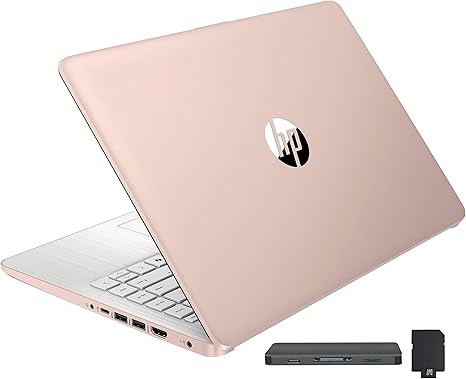
Meet the HP Stream 14” HD BrightView laptop—an affordable, student-friendly companion built for classroom tasks and online learning. Weighing about 2 lb with a bright 14 display, upgraded RAM/SSD warranty, and a bonus docking station.
It delivers reliable multitasking, smooth web productivity, and long-lasting daily use under heavy study loads.
Powered by an efficient Intel Celeron N150 quad-core, this 14 BrightView laptop delivers smooth multitasking with 16GB RAM. It includes 288GB of storage (128GB eMMC plus 160GB docking storage) and Intel UHD Graphics for everyday tasks and media.
Preinstalled Windows 11 Home in S Mode with a docking kit included.
Pros
- Upgraded RAM/SSD is covered by a 1-year warranty; seal opened for upgrade, ensuring future-proofing.
- Lightweight 3.24 lb chassis with a 14″ HD BrightView display enables easy carry and clear viewing for lectures and notes.
- Bonus Docking Station Set includes a 7-in-1 dock with 128GB storage and a 32GB microSD card, plus 1-year Office 365 for study initiatives.
Cons
- 1366×768 HD resolution on a budget panel may feel limited for productivity tasks or media compared to Full HD rivals.
Compared with higher-priced student laptops, this HP Stream prioritizes value and upgradeability, offering essential performance, bundled Office 365, docking capabilities, and a 14 BrightView display at a budget-friendly price—making it the best laptop for student use on a budget.
Best Laptop for Student: The Essential Buying Guide for Every Class
Performance and multitasking requirements
A laptop that can seamlessly connect with a range of peripherals often translates into fewer dongles and a tidier workspace. A capable CPU and sufficient RAM prevent slowdowns when running coursework apps, virtual lectures, and multiple browser tabs. For light design work or video edits, a unit with a capable GPU helps maintain smooth previews and faster renders without needing a separate workstation.
For light design work or video edits, a unit with a capable GPU helps maintain smooth previews and faster renders without needing a separate workstation. Storage type and capacity matter because fast NVMe SSDs reduce boot times and keep large project files and apps accessible without bottlenecks. Equally important is how well the system plays with external displays, docks or USB devices through common ports, which can extend screen real estate and simplify file transfers.
A balanced setup with solid battery life and efficient thermals ensures these integrations stay reliable through a full day of classes and study sessions.
Display, keyboard, and input comfort
Flexible integration with docks, cloud apps, and classroom software often multiplies a device’s usefulness by reducing setup time and avoiding compatibility hiccups across projects. That harmony matters as you compare options, because a laptop that plays well with your campus ecosystem can keep notes synced, projects organized, and files shared without friction. Consider the display dimensions and how the screen’s resolution and color accuracy support long reading sessions and any media tasks.
Also weigh the keyboard feel and travel, since a comfortable, reliable keyboard minimizes fatigue during late night drafting and exam prep. Finally, assess the trackpad responsiveness and ergonomics, as a precise trackpad with smooth gestures reduces time spent hunting for the cursor and improves navigation during research.
Together, integration, input ease, and peripheral compatibility shape real world usability beyond specs.
Portability, battery life, and build quality
Integrating a laptop smoothly with docks, external displays, and cloud apps can dramatically extend its usefulness across classes, labs, and collaboration spaces. A clear picture of how well it adapts to accessories like USB hubs, projectors, and peripheral ecosystems helps you avoid limits that slow down study routines.
Weight and size matter because a device that is easy to carry between dorms, classrooms, and libraries translates into smoother daily use on campus. Real world runtime expectations matter because a machine that can last through back to back lectures without a recharge reduces downtime for notes, research, and group work. Durable chassis and reliable hinge quality matter because daily handling, open and close cycles, and occasional accidental bumps are common in campus life.
Software compatibility, ecosystem, and security
Interoperability with cloud services, classroom apps, and peripherals adds tangible value by keeping files in sync and workflows smooth across devices. The OS you pick shapes how easily the device runs the software required for lectures, labs, and projects, so alignment here reduces setup friction and prevents compatibility hiccups.
For courses that rely on the Office suite, cloud tools, and collaboration apps, verify that the laptop supports these productivity tools, offers reliable offline access when networks are spotty, and provides a comfortable keyboard and responsive multitasking for long study sessions. Security features and regular system updates are essential; look for hardware based protections, secure boot, encryption options, and a dependable update cadence to safeguard personal data and keep software current. A well integrated system that works with your dorm or apartment setup, from docking stations to printers and campus networks, makes it easier to focus on learning rather than tech trouble.
Budget, value, warranty, and student discounts
Devices that integrate smoothly with docks, external displays, and cloud services can dramatically reduce setup time and keep coursework flowing across platforms. Evaluating how well a laptop interacts with campus platforms, peripherals, and everyday tools helps you avoid friction when you move between classes, study groups, and remote work.
Total cost of ownership matters, as ongoing fees, upgrade paths, and energy use influence what you actually pay over several semesters. Upgrade options for RAM, storage, or battery life and the likelihood of continued software support affect long term usefulness and the device’s lifespan.
Guarantee terms and service options shape risk and downtime, so a clear plan for repair or replacement can save headaches during busy terms. Some programs offer promotions and bundles for students that help stretch the cost.
FAQ’s
Are Chromebooks A Viable Option For Most Students, Or Are Windows/Macos Laptops Necessary For Specific Software Or Workloads?
Chromebooks are a viable option for most students, especially for basic tasks, web-based apps, and classroom workflows. Windows or macOS laptops become necessary when you require specialized software, robust offline performance, or heavier workloads like engineering, design, video editing, or data analysis.
Is 8Gb Of Ram Enough For Typical Coursework, Or Should Students Aim For 16Gb? How Important Is Storage Type (Ssd) And Capacity?
8GB RAM is usually enough for typical coursework, but 16GB is a safer option if you multitask a lot or work with large datasets or virtual machines. An SSD dramatically improves overall responsiveness, so aim for 256–512GB of SSD storage as a baseline and add more storage later if needed.
What Additional Features (Keyboard Comfort, Display Quality, Webcam, Ports, Upgradeability, Student Discounts) Should Students Consider When Buying A Budget Laptop?
Beyond price, prioritize a comfortable keyboard and a clear display for long study sessions, plus a reliable webcam for video calls; ensure you have enough ports (USB-C/USB-A, HDMI, SD card) to avoid dongles. Also check upgradeability (RAM/SSD slots) and look for student discounts or education pricing to stretch your budget.
How Important Are Battery Life, Portability, And Build Durability For A Student’S Daily Campus Routine?
Long battery life is crucial to get through lectures, labs, and study sessions without hunting for outlets. Lightweight portability paired with a rugged build helps you carry it between classes and survive daily bumps and drops on campus.
What Are The Essential Specs To Look For In A Student Laptop, And How Should Priorities Differ By Field Of Study?
Key specs to look for are a recent multi-core CPU, 8–16 GB of RAM (16+ for heavy multitasking), a fast SSD (256–512 GB or more), a bright, color-accurate display, and solid battery life and portability. Priorities vary by field: STEM/engineering and data work benefit from CPU/GPU power and ample RAM, design/arts require color accuracy and graphics capability, and business or humanities buyers should value portability, keyboard comfort, and long battery life.
Conclusion
Best Laptop for Students Choosing the best laptop for a student means balancing performance, portability. Look for at least eight GB RAM, a capable processor, and all-day battery life. A 13–14 inch screen with a comfortable keyboard suits notes and research.
A 13–14 inch screen with a comfortable keyboard suits notes and research. Favor durable builds, fast SSD storage, and student discounts. Bottom line: A student laptop should be light, long-lasting, and affordable overall.